Mold Removal and Remediation in Vero Beach, FL
Mold removal Vero Beach FL services start with a careful look at moisture, airflow, and affected materials, so the work addresses the cause as well as the growth. Whether you search for mold removal Vero Beach or mold remediation Vero Beach, the goal is the same: find the moisture source, remove affected growth, clean and dry the area, and lower the chance of return. Mold remediation Vero Beach FL work described here covers homes and businesses across Vero Beach, with support for nearby Sebastian and Fellsmere in Indian River County.
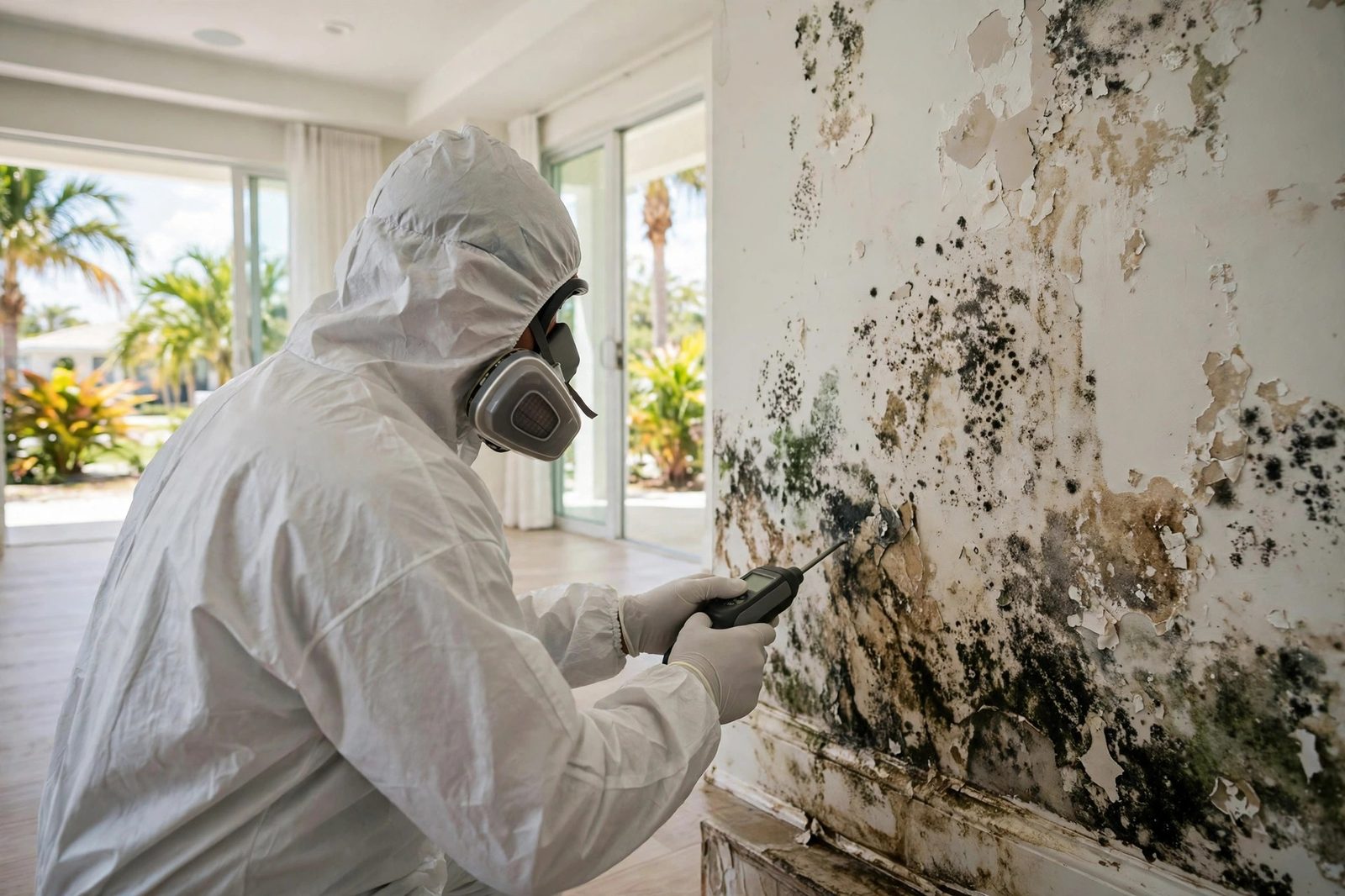
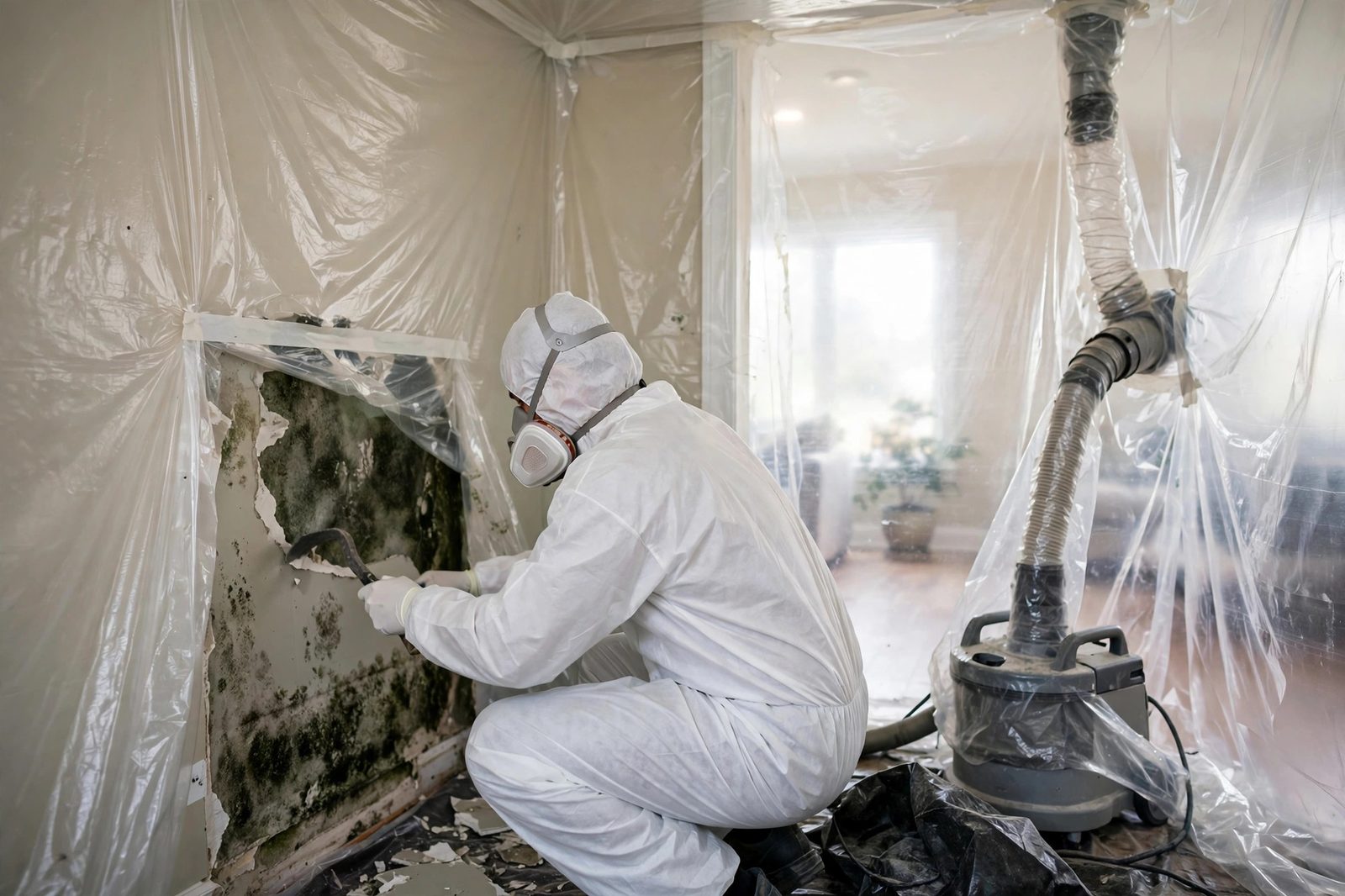
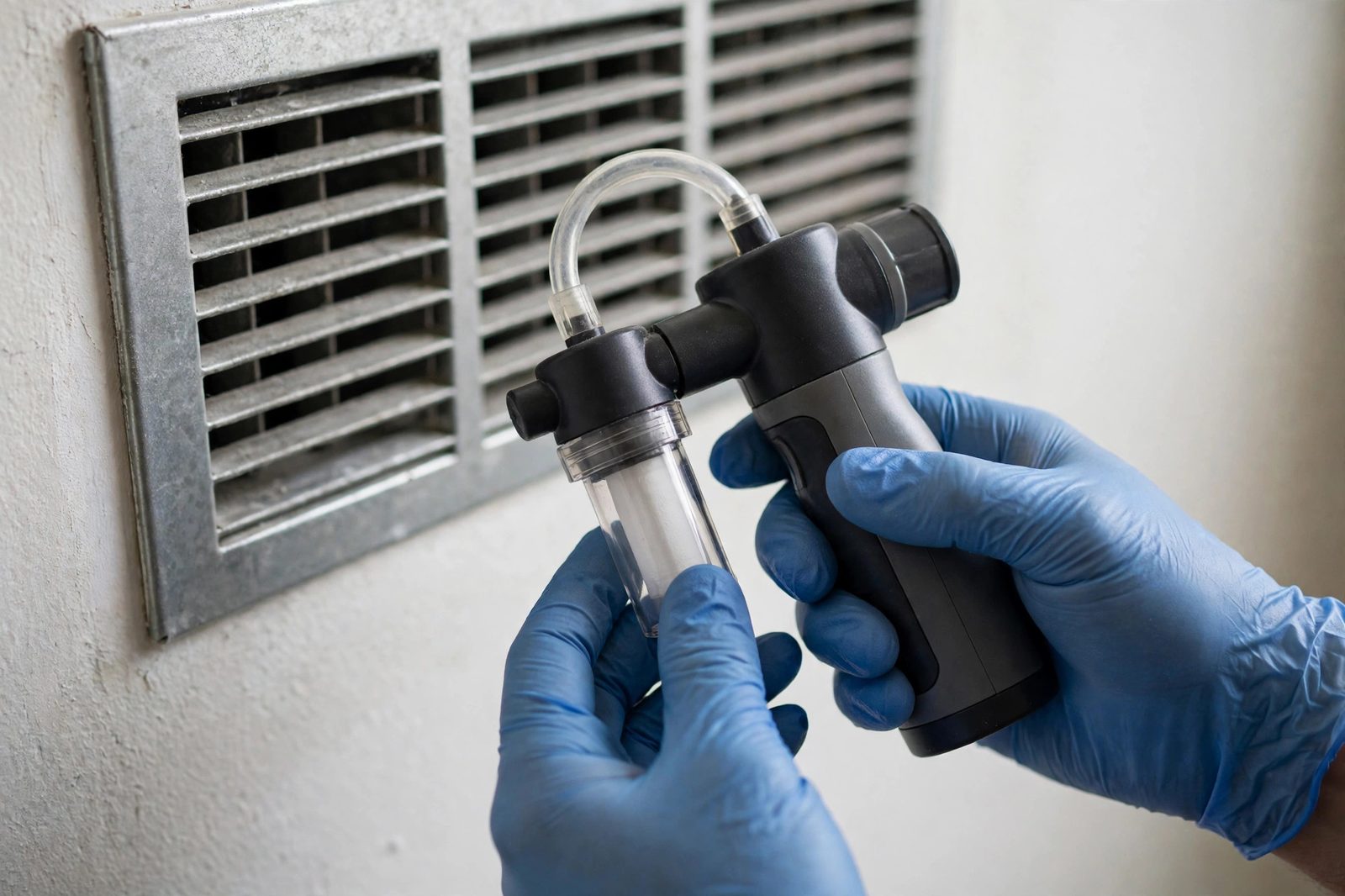
Our mold remediation services and mold removal services follow the same careful sequence, from inspection through containment, removal, cleaning, drying, and prevention guidance. Professional mold remediation means containment, filtration, careful removal, cleaning, and drying, rather than painting over growth or spraying a surface and leaving moisture in place. Read the description of mold removal and remediation services to see how each stage is organized.
Mold Help for Vero Beach Homes and Businesses
Homes and businesses in Vero Beach face similar moisture problems, from small leaks to storm intrusion and humid indoor air. The guidance below covers signs to watch for and first steps to take, so growth is not disturbed before it can be checked.
Signs you may have a mold problem
Signs of mold infestation often start small. A musty odor in one room, visible mold growth along a wall edge, or dark staining near a vent can all point to moisture that has stayed in place too long. Growth does not always appear where moisture entered, so the first visible sign may sit far from the source.
Hidden mold can grow where you cannot see it, including behind walls, above ceilings, and under flooring, so odor without visible growth still deserves attention. Stains, warping, soft materials, and condensation that does not clear can all point to moisture inside an assembly, even when the surface looks dry.
Some people report sneezing, coughing, eye irritation, or headaches when mold is present indoors. These reports have many possible causes, and they do not identify the type of mold or the level of exposure. Talk to a health professional about health questions, and arrange a property check separately.
- A musty odor that returns after cleaning
- Visible mold growth or discoloration on walls or ceilings
- Stains, warping, or soft materials after a leak or flooding
- Moisture around AC vents or condensation that does not clear
- Odor without visible growth in one room or area
What to do first when you find mold
Leave growth undisturbed, keep the room closed when you can, and turn off fans that blow across the area. Disturbing growth can spread mold spores into other rooms, and drying a wet area with fans before the extent of growth is understood can move particles further.
Take photos and notes about what you see, where moisture appears, and when the problem started. Those notes help later discussions about insurance claim documentation, and they help an inspection focus on the right areas.
Fix the moisture source only if you can do so safely, such as shutting off a leaking supply line. Do not remove wall sections, pull up flooring, or run heaters and fans to dry the area before the extent of growth is understood. Learn what happens during mold inspection and testing before removal work begins, and keep notes and photos ready for that visit.
Our Mold Services
The work below covers inspection, removal, black mold concerns, and prevention, so each property receives steps matched to what is found. Inspection comes first in each case, and later steps are planned from observed conditions.
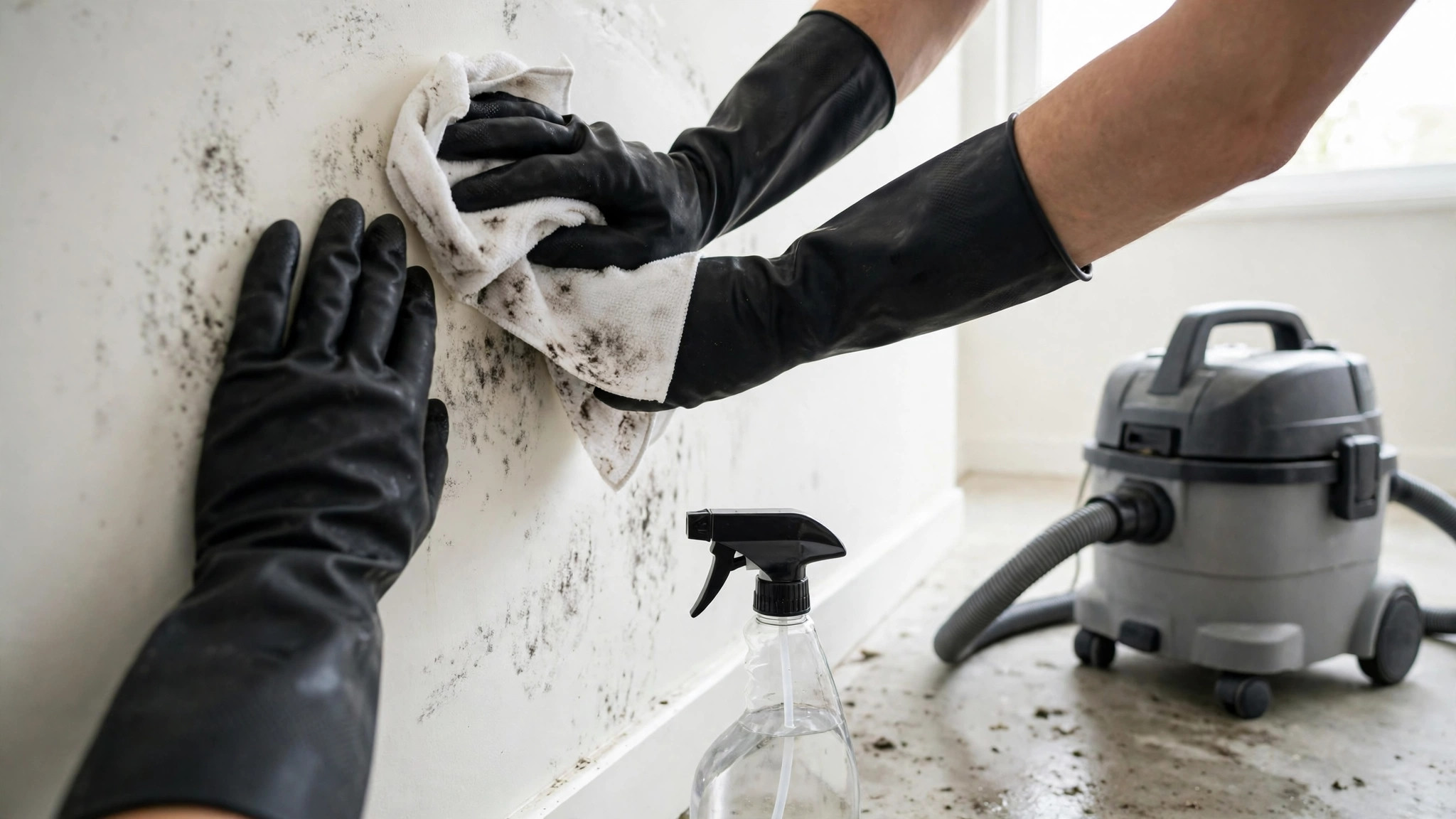
Mold removal and remediation
Mold removal and remediation work includes inspection, mold containment, careful removal of affected materials, cleaning, and drying. Each step is planned around the moisture source, so growth is not removed while the cause remains active.
Read the description of mold remediation services in Vero Beach for the full sequence, from first response through clearance and prevention guidance.
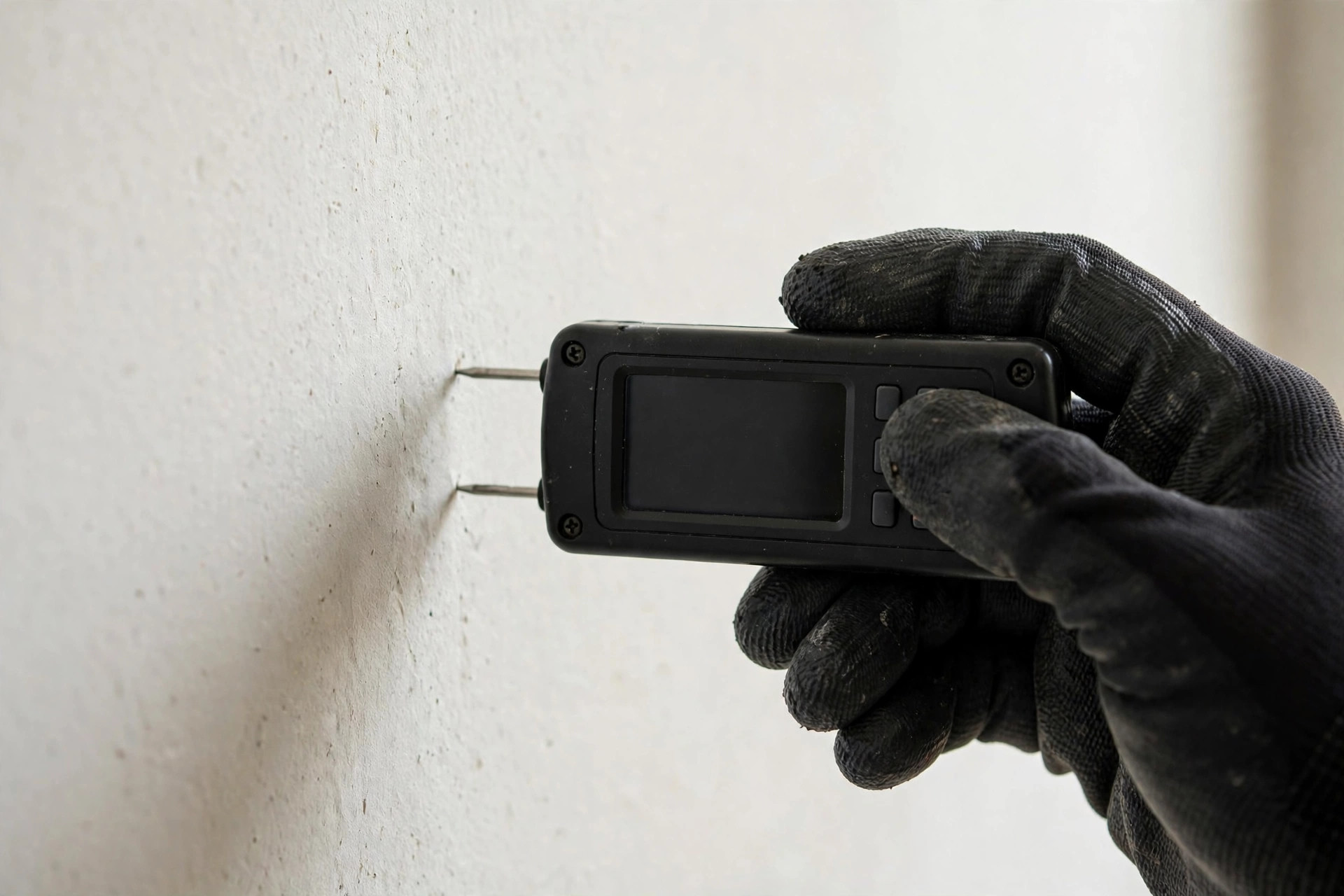
Mold inspection and testing
Mold inspection and testing looks for visible growth, hidden moisture clues, and moisture readings that explain why growth started. Testing, when used, helps identify the type of growth present, while inspection findings shape the remediation plan.
See mold inspection and testing in Vero Beach for methods, reports, and what happens during a visit.
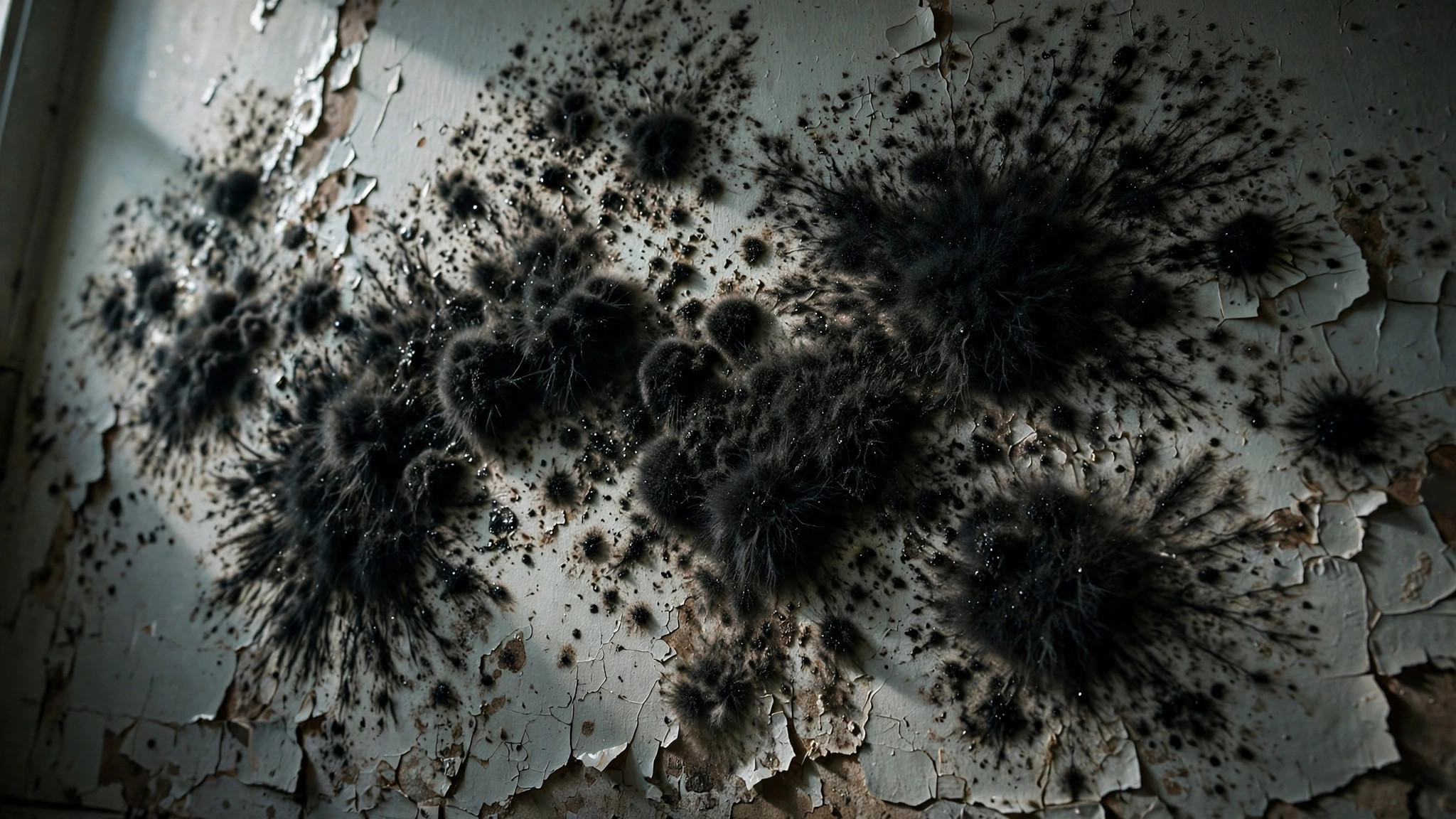
Black mold removal
Black mold removal begins with the same careful approach as other mold work: do not rely on color alone to identify growth. Dark growth can belong to many types, and only laboratory work can name the type present.
Some people report stronger reactions when dark growth is present, but color alone does not prove a health effect. Talk to a health professional about health concerns, and keep growth undisturbed until it can be checked. Learn more on the black mold removal page.
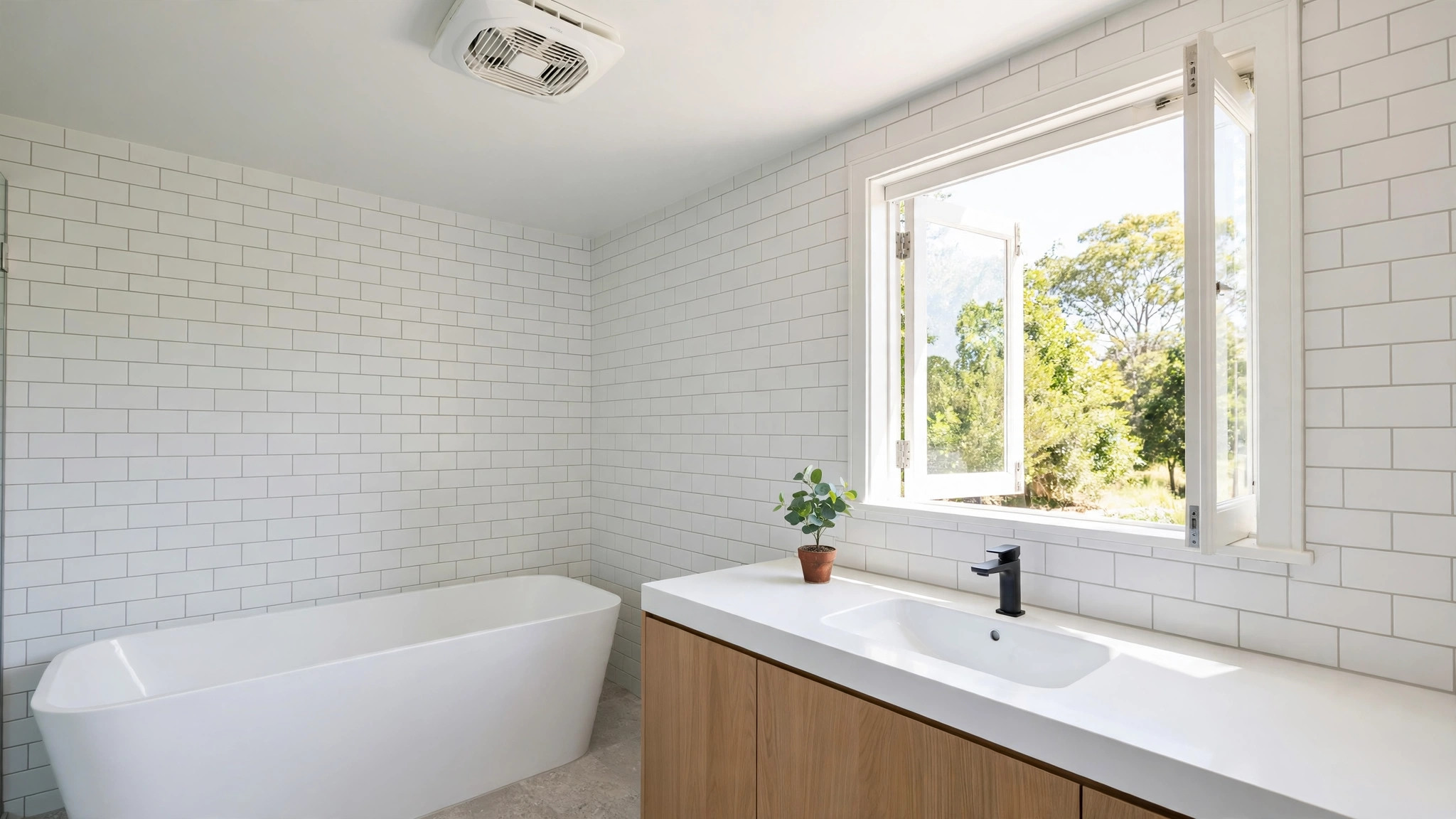
Mold prevention and humidity control
Mold prevention and humidity control focus on keeping indoor air drier, fixing leaks promptly, and improving ventilation in rooms that collect moisture. Prevention steps work alongside removal steps, since growth can return when moisture returns.
Prevention work includes guidance on AC settings, ventilation habits, and checks after storms, so moisture does not stay in place after a leak or flooding. See mold prevention and humidity control for checklists and habits.
How Mold Remediation Works
The sequence below explains how professional mold remediation is usually organized. The order matters: inspection comes first, containment comes before removal, and drying and prevention close the job.
Step 1: Inspection and moisture assessment
Inspection and moisture assessment map where growth is visible, where moisture readings are high, and where hidden mold may be present. Moisture meters and visual checks guide the scope, while notes and photos record conditions before work begins.
Step 2: Containment and air filtration
Mold containment uses barriers and filtered air movement to limit spread while work is underway. Air filtration equipment runs during removal, so airborne particles are captured rather than moved into clean rooms.
Step 3: Mold removal and material handling
Mold removal and material handling means taking out affected porous materials that cannot be cleaned, while saving materials that can be cleaned safely. Removed materials are bagged and sealed before they leave the work area, so growth is not carried through the home.
Step 4: Cleaning, drying, and treatment
Cleaning, drying, and treatment address surfaces that remain, using cleaning methods suited to each material, followed by drying until moisture readings fall. Treatment steps support cleaning; they do not replace removal of growth or repair of the moisture source.
Step 5: Clearance and prevention
Clearance and prevention close the job with a check that visible growth has been removed, moisture readings have fallen, and the moisture source has been addressed. Prevention guidance then covers humidity control, ventilation, and leak checks, so conditions are less likely to support new growth.
Why Mold Grows in Vero Beach Homes
Vero Beach homes face steady warmth and coastal moisture, so small leaks and poor airflow can support growth in places that stay damp. Understanding these causes helps explain why mold after water damage is a common concern, and why water damage and mold are often discussed together after leaks, storms, and flooding.
Humidity and coastal moisture
Warm air holds moisture, and indoor air that stays humid can keep surfaces damp enough for growth. In coastal homes, high humidity mold risk rises when air conditioning runs in short cycles, doors stay open, or ventilation is limited.
Humidity control through steady AC use, ventilation, and dehumidification in damp rooms helps keep surfaces drier. Regular checks of condensation on windows and vents show whether indoor moisture is staying high.
Leaks, storms, and water intrusion
Leaks from roofs, plumbing, and appliances can wet materials out of sight, while storms can push moisture through roofs, windows, and doors. Water intrusion that is not dried promptly can support growth behind walls and under flooring, even when the surface looks dry.
After flooding or storm intrusion, prompt attention to wet materials matters more than waiting for surfaces to look dry. Photos, notes, and moisture readings taken early help show the extent of wetting and support later decisions.
AC condensation and poor ventilation
Mold around AC vents can develop when cool air meets warm, humid air and condensation forms on vents, grilles, and nearby surfaces. Poor ventilation in bathrooms and kitchens adds moisture from showers and cooking, which can keep nearby materials damp.
Ventilation habits, AC upkeep, and attention to condensation help lower the chance of growth near vents and ducts. When growth is visible near a vent, keep the system from blowing across it until the area can be checked, and ask whether duct work needs a separate trade.
Areas We Serve Around Vero Beach
Treasure Coast mold remediation work described on this site centers on Vero Beach, with mold remediation Indian River County coverage for nearby communities. The business serves homes and businesses in the areas below, with attention to coastal moisture problems common across the region.
Vero Beach and Surrounding Areas
The business serves Vero Beach (ZIP 32960) plus Sebastian and Fellsmere. Work in Vero Beach covers homes and businesses across the city, with steps planned around moisture problems found during inspection.
See areas served around Vero Beach for more detail on coverage.
Nearby Indian River County communities
Nearby Indian River County communities served include Sebastian and Fellsmere, in addition to Vero Beach. Each community faces similar coastal moisture, storm intrusion, and humidity concerns, so inspection and remediation steps follow the same careful sequence.
Planning for these communities follows the same inspection-first approach, with containment and drying planned from observed conditions rather than from assumptions about a property type.
Insurance and Estimates
Homeowners insurance mold coverage varies by policy, and coverage often turns on whether moisture came from a sudden event or a long-term leak. This section explains documentation in general terms; it is not insurance advice, and policy questions belong with the insurer.
How insurance documentation works
Insurance claim documentation usually includes photos, notes about when moisture was found, moisture readings, and records of work completed. Keeping these records from the first discovery helps show the sequence of events, even when the extent of growth is not clear at the start.
Ask the insurer what records are needed, what forms are required, and whether an independent check is needed before work begins. General information here does not replace the policy wording or the instructions from the insurer.
Free inspections and what is included
A free mold inspection includes a visual check of affected areas, moisture readings where needed, notes and photos, and a discussion of next steps. The visit focuses on finding the moisture source and the extent of growth, so later work can be scoped from observed conditions.
Estimates that follow an inspection describe the areas affected, the steps planned, and the materials involved. Ask whether the company holds the licenses Florida requires for mold work and whether assessment and remediation are handled separately. An estimate is not a promise of coverage, and insurance decisions remain with the insurer. Request an evaluation through the contact page.
Frequently Asked Questions
The answers below give general information about growth, black mold, and return after remediation.
Growth can begin quickly when materials stay wet, and mold growth 24-48 hours after wet conditions begin is commonly described in remediation guidance. The exact timing depends on moisture, temperature, airflow, and the material involved, so a wet area should be checked promptly rather than left to dry on its own. Early photos, notes, and moisture readings help show when wetting started and how far it spread.
Color alone does not identify the type of mold present, so dark growth cannot be judged by appearance alone. Some people report sneezing, coughing, eye irritation, or headaches when mold is present, but these reports have many possible causes and do not prove a health effect from a particular growth. Laboratory work is needed to name the type present, and health questions should go to a health professional. Keep growth undisturbed and keep air from blowing across the area until it can be checked.
Mold can return when moisture returns, even after growth has been removed and surfaces have been cleaned and dried. Return is more likely when a leak continues, humidity stays high, or ventilation remains poor, so prevention steps matter as much as removal steps. Humidity control, prompt leak repair, ventilation habits, and checks after storms help lower the chance of new growth. If odor or visible growth returns, arrange another check promptly and note what changed since the earlier work.
Call Now for Mold Help in Vero Beach
Call (772) 555-0134 to discuss mold removal Vero Beach FL help for a home or business in Vero Beach, Sebastian, or Fellsmere. Describe what you see, where moisture appears, and when the problem started, so the next step can be planned from observed conditions.
You can also use the contact page to request an evaluation, or read answers to common mold questions before you call.