Mold Inspection and Testing in Vero Beach, FL
A mold inspection Vero Beach property owners book is the starting point when growth is visible, an odor lingers, or a leak has left materials damp. Mold inspection and testing answer different questions: an inspection looks for growth and moisture, while mold testing identifies what is present and in what amount. Together, they give a clear picture before any removal work begins.
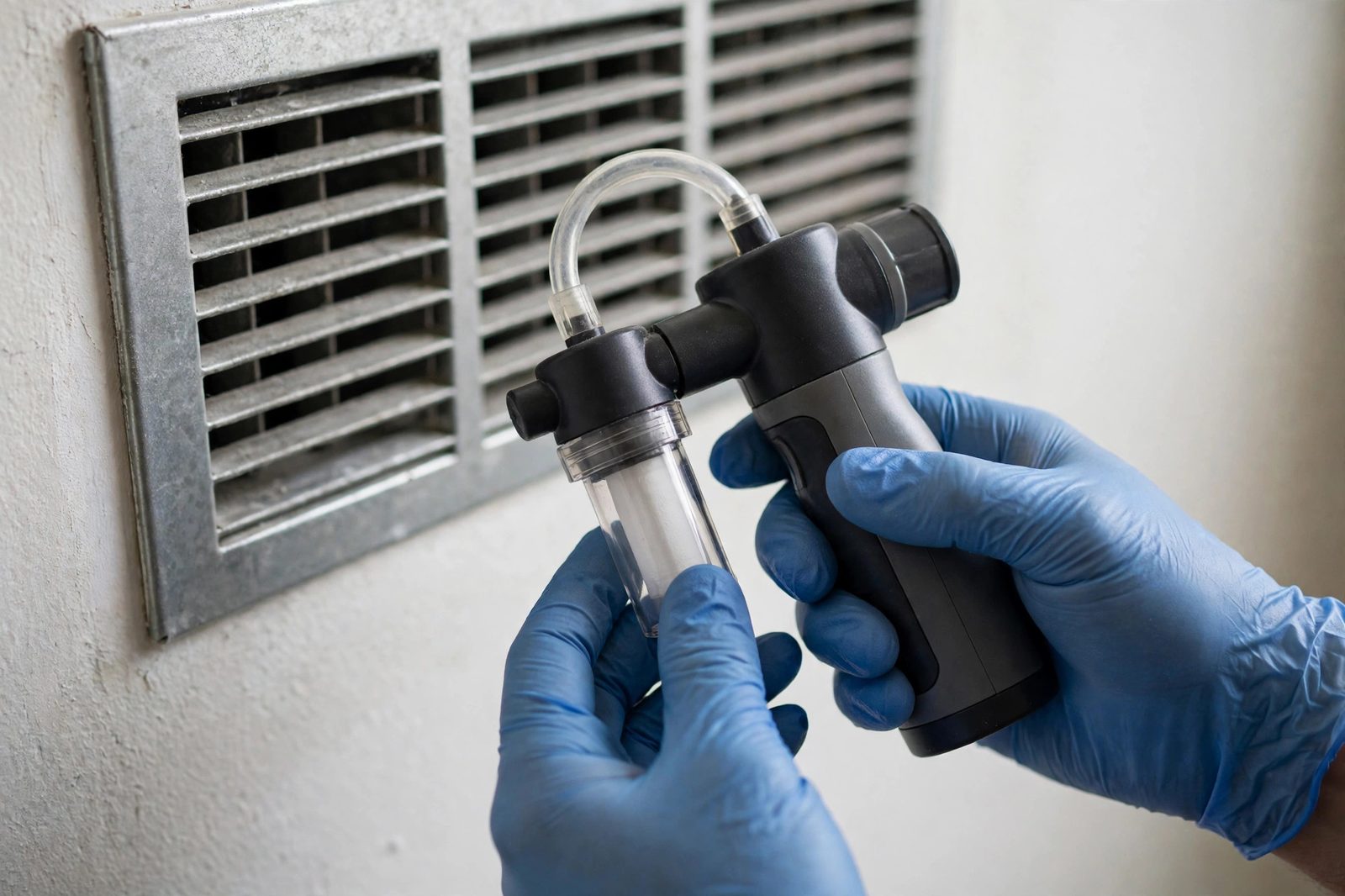
This page explains what a professional mold inspection Vero Beach FL property owners can expect covers, from a visual walk-through to sampling and lab work. It also explains how mold testing services fit with removal work, and when an independent mold assessor is part of the process. For the removal side, see our mold removal and remediation services page.
Professional Mold Inspections for Vero Beach Homes
Homes in Vero Beach face steady humidity and seasonal storms, so moisture problems can develop quietly. A professional inspection looks beyond what is easy to see.
When an inspection is needed
An inspection is worth arranging when you see discoloration or growth, notice a musty odor, find signs of a leak or flooding, plan to buy or sell a home, or know a past moisture problem was never fully dried. Some people report irritation that seems tied to time spent indoors. An inspection cannot answer health questions, but it can show whether mold growth and moisture are present. An inspection can also help when hidden mold is suspected but nothing is visible.
A water intrusion inspection looks for entry points where rain or plumbing leaks reach wall cavities and flooring. If growth is already obvious and widespread, an inspection still helps scope the work and identify moisture sources that must be fixed so growth does not return.
What happens during an inspection
A typical visit starts with questions about leaks, flooding, odors, and past repairs. The inspector then walks through the home, checking rooms, wall surfaces, ceilings, and areas around plumbing and cooling equipment.
The inspector looks for visible growth, staining, warping, and damp materials, and uses moisture detection tools to find hidden moisture behind surfaces. Readings, photographs, and notes are gathered into a detailed inspection report that describes findings, moisture sources, and suggested next steps.
Some firms advertise a free moisture evaluation. Ask what rooms and readings it covers, whether sampling is included, and whether you receive a written report.
Mold Testing Methods Explained
Testing is not a single procedure. Different sample types answer different questions, and an inspector selects methods based on what is visible, what is suspected, and what decisions the results must support.
Visual inspection
A visual mold inspection is the foundation of every assessment. The inspector examines surfaces, joints, and cavities that can be reached without opening walls, noting growth, staining, and signs of past leaks.
Visual findings alone cannot name a mold species or measure airborne levels. That is why visual work is often paired with sampling when identification or documentation matters.
Air sampling
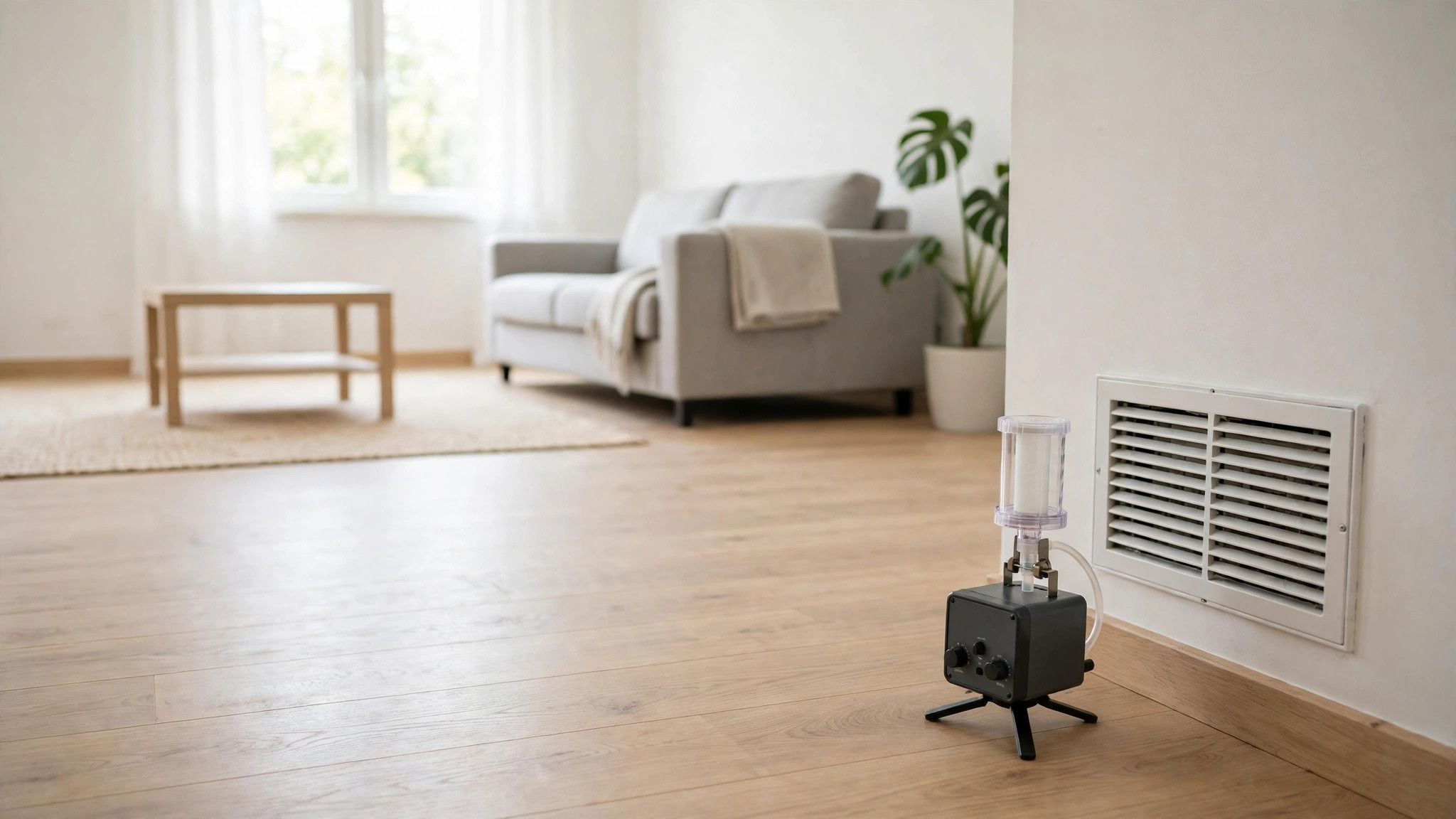
Mold air sampling collects airborne mold spores onto a cassette using a calibrated pump that draws a set volume of air. The cassette is sealed and sent to a laboratory, where analysts count and identify what was captured.
Air sampling is useful when growth is suspected but not visible, when hidden mold may be releasing spores into living spaces, or when clearance results are needed after remediation. Results are reported as spore counts by type, which the lab report explains in context.
Surface sampling
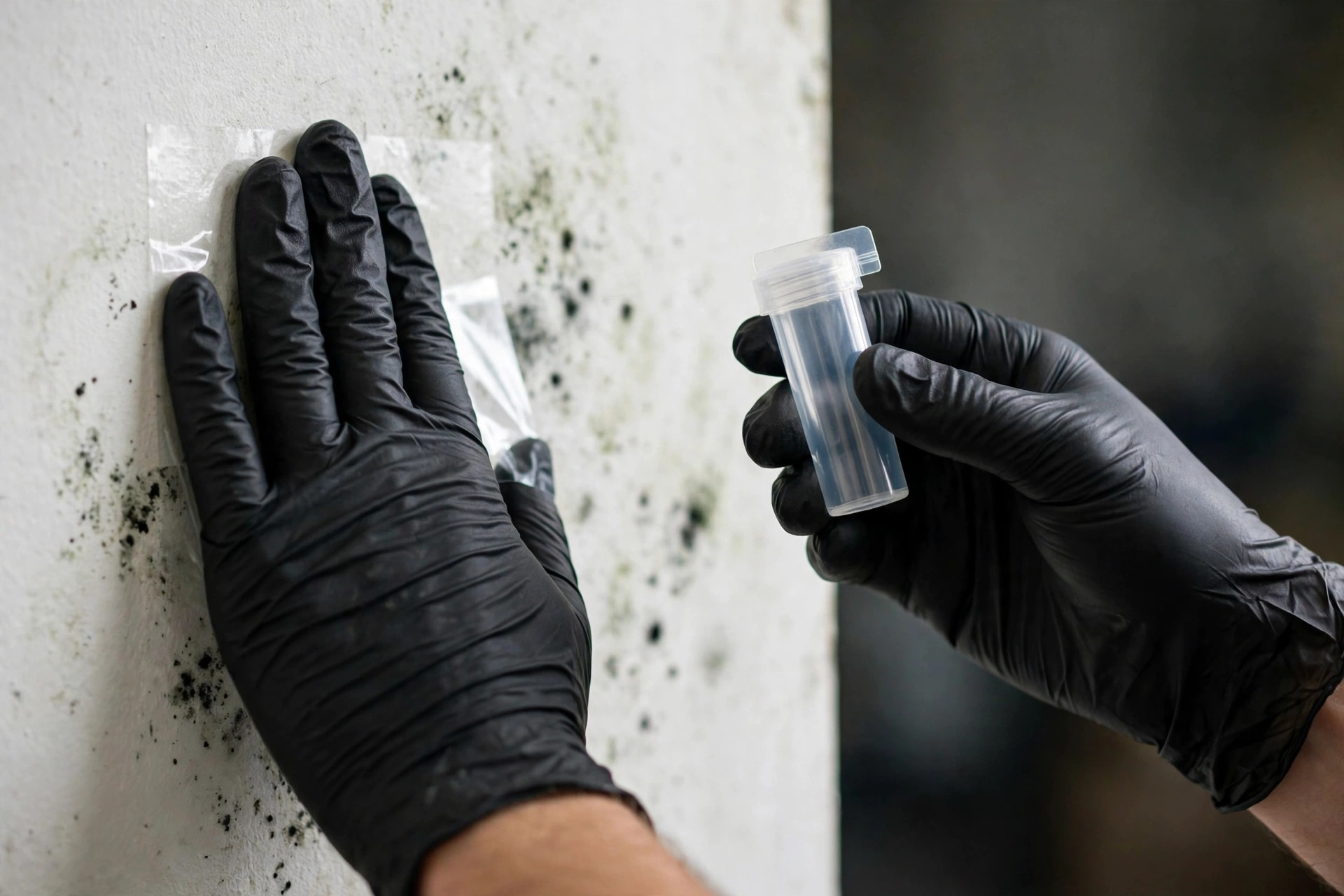
Surface sampling collects material directly from a surface where growth is visible or suspected. Surface mold testing of this kind helps identify what is growing in a specific spot, rather than what is floating in the air.
Surface samples are often taken from wallboard, trim, or duct surfaces, and are useful when a single area needs identification before a mold remediation plan is written.
Bulk material sampling
Bulk material sampling involves taking a small piece of affected material, such as a section of wallboard or insulation, for lab analysis. The lab examines the material itself, which can confirm growth inside the material rather than only on its face.
Bulk sampling is used selectively, when surface or air results leave a question open or when the condition of the material itself affects removal decisions. Because it removes material, it is discussed with the property owner before it is done.
Laboratory Results and Reports
Samples mean little without a clear report. This section explains what labs do, how to read what comes back, and what the numbers and names actually mean.
What accredited labs test for
An accredited laboratory follows recognized procedures for handling, preparing, and analyzing samples. Accreditation signals that the lab's methods and quality checks meet an outside standard, which matters when results support decisions about a home or a sale.
Labs test for mold spores and mold species present in a sample, reporting counts and names. They may also note other airborne particles observed during analysis. A lab identifies what is in the sample; it does not inspect the home or decide what work is needed.
How to read a mold test report
A mold test report usually lists each sample, where it was taken, what was found, and the lab's comments. Start with the sample locations, then compare findings across samples, then read the lab's notes. A detailed inspection report from the inspector adds context the lab cannot provide, such as moisture readings and visible conditions at each location.
If any part of a report is unclear, ask the inspector or the lab to explain it in plain language before acting on it. Keep the report with home records, especially when buying, selling, or documenting work.
Spore counts and species names in plain language
Spore counts describe how many spores of each type were found in a sample. Higher counts in one sample than another can point toward a source, but counts alone do not prove a health effect or set a removal scope by themselves. Context, including moisture findings and visible growth, matters more than any single number.
Species names on a report often include Aspergillus, Penicillium, and Cladosporium, which are common indoor molds, and sometimes Stachybotrys black mold, which is discussed on our black mold removal page. Mycotoxins are compounds that some mold species can produce under certain conditions; a report that names a species does not by itself show that such compounds are present at levels of concern, and health questions belong with a health professional.
A black mold test is a lab-based identification step, not a color check. Only laboratory analysis can confirm whether a dark growth is Stachybotrys or another mold species.
Indoor Air Quality Testing
Indoor air quality testing looks at the air occupants breathe, along with the moisture conditions that shape it. In a humid Florida home, air and moisture findings are read together.
Air quality and moisture readings
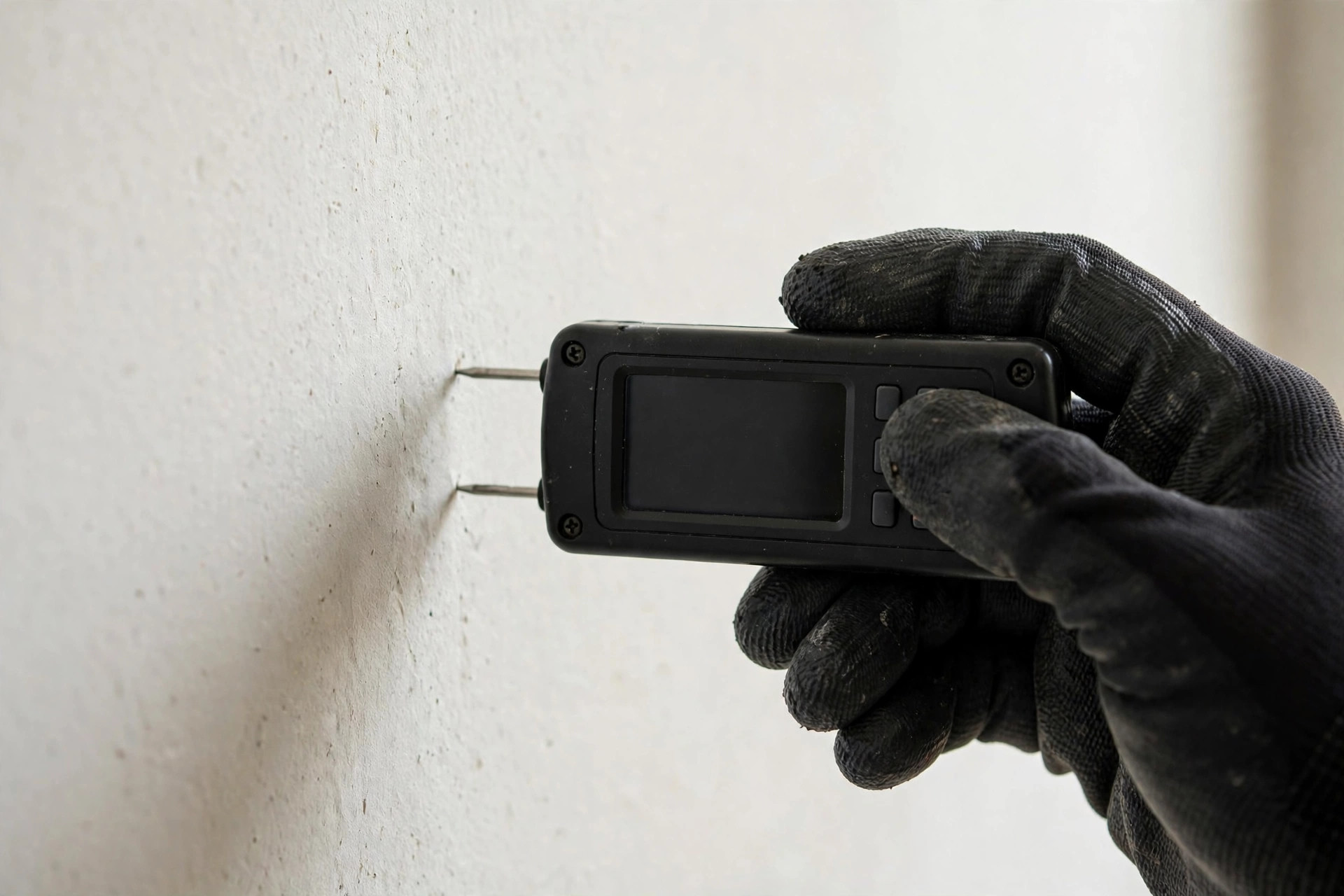
Indoor air quality readings may include spore counts from air samples, along with notes on odors and airflow patterns observed during the visit. Moisture readings from meters and probes show where materials hold dampness, including hidden moisture that has no visible sign. Together, air and moisture results help explain whether a problem is active, past, or still hidden.
Thermal imaging and moisture meters
Thermal imaging uses infrared cameras to show temperature differences across surfaces. Cooler patterns can suggest damp areas behind walls or ceilings, which the inspector then checks with moisture meters before drawing conclusions.
Moisture detection also uses borescopes, slim viewing tools that let an inspector look inside wall cavities through a small opening. These tools help find hidden leaks and hidden mold without opening large sections of wall.
Independent Assessors and Florida Law
This section is general information about Florida practice, not legal advice. Rules can change, and questions about a specific situation should go to a lawyer or the relevant Florida licensing authority.
Why assessment and remediation are separate
The Florida mold assessment remediation separation keeps the party that assesses a property apart from the party that performs remediation on that same property. In plain terms, the business that inspects and tests does not also carry out the removal work on the same job.
Separation protects the property owner by keeping findings independent of the work that follows. Ask whether the assessor is a Florida licensed mold assessor, and ask whether the firm doing removal work employs a licensed mold remediator. These questions help confirm that assessment and remediation roles are handled by different parties, as Florida law requires.
The relevant statute is Florida Statute 468.8419.
What a remediation protocol is
An independent mold assessor writes a remediation protocol: a written plan that describes what was found, what should be removed or cleaned, how containment and drying should be handled, and what clearance steps should follow. A mold remediation plan serves a similar purpose when written as part of the assessment record.
The protocol gives the remediation firm a clear scope and gives the property owner a written record of what was recommended. Keep the protocol with inspection and lab reports.
Post-remediation clearance testing
Post-remediation clearance is the step that checks whether remediation goals were met. Post-remediation testing after the work, sometimes described as mold post testing, is carried out by an independent party rather than the firm that did the removal.
Clearance testing may include visual checks, moisture readings, and new air or surface samples, depending on what the protocol calls for. Results are compared with the protocol's goals, and the property owner keeps the clearance results with the other records for the job.
Mold Inspection for Home Buyers and Sellers
A mold inspection for home buyers and sellers adds a moisture and growth check to the usual steps of a sale. Findings can shape negotiations, repair plans, and timing, so the report deserves careful reading.
Inspections before buying a home
Inspections arranged before a sale closes look for growth, moisture, and past leak signs. Buyers often arrange one alongside a general home inspection, so mold findings can be considered with the rest of the property's condition.
If findings are unclear, ask the inspector to explain what is active, what looks old, and what needs a closer look. A written report matters more than a verbal summary when a sale is involved.
What a report means in a sale
A report that shows growth or elevated moisture does not automatically end a sale. Sellers may address findings before closing, buyers may plan work after closing, or both sides may agree on terms that reflect the report. What matters is that the report is specific, dated, and kept with sale records.
Buyers and sellers across Vero Beach, Sebastian, and Fellsmere in Indian River County can use the same inspection approach. See the service areas we cover.
Frequently Asked Questions
Mold testing cost depends on how many samples are taken, which sample types are used, what the lab charges for analysis, and how large or complex the property is. A visual-only visit and a visit with several air and surface samples are scoped differently, so ask what is included before agreeing to testing. If you see a free mold inspection advertised, ask whether sampling and lab work are included or billed separately, and ask for the scope in writing.
Timing varies by lab, sample type, and workload, and the lab report itself states its own timeline for each batch of samples. Ask the inspector or lab what timeline applies to your samples, and plan next steps around the lab's stated timeline rather than an assumed one. Rushing a decision before results arrive can lead to work that misses the actual source.
Not always. When growth is visible and the moisture source is clear, removal work may proceed on inspection findings alone, with a protocol guiding the scope. Testing matters more when growth is hidden, when identification is needed for a sale or a record, when black mold is suspected, or when clearance results must be compared with starting conditions. An independent mold assessor can advise whether testing fits your situation.
Schedule a Mold Inspection in Vero Beach
To arrange a mold inspection Vero Beach property owners use to get clear findings, reach out through the contact page or call (772) 555-0134. Describe what you have seen or smelled, any leaks or flooding, and whether a sale or a past moisture problem is involved, so the visit can be scoped to your home.
Homes in Vero Beach, Sebastian, and Fellsmere across Indian River County and the Treasure Coast can start with an inspection and testing visit, then move to removal work with a written protocol and clearance testing when needed. For questions that come up often, see the frequently asked questions page.
After inspection, mold prevention and humidity control steps help keep moisture in check.